About
Ruiwei Xiao is a PhD student at CMU HCII and co-founder of ActiveAI. She is advised by John Stamper and works closely with Randi Williams
 and Ken Koedinger
 . Her research and entrepreneurship in AI for Education and AI Literacy have advanced culturally-responsive learning and responsible use of AI in multicultural and multilingual environments, impacting over 50,000 learners worldwide.
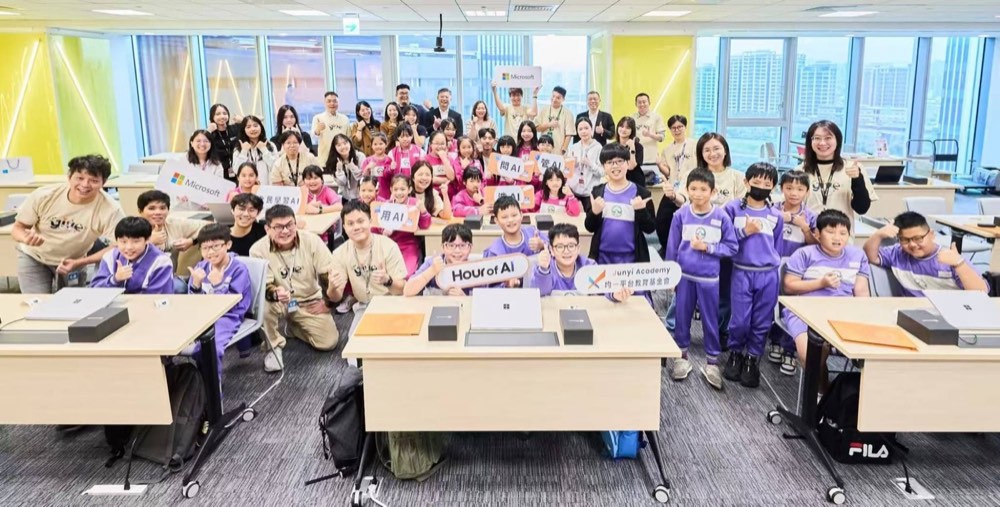
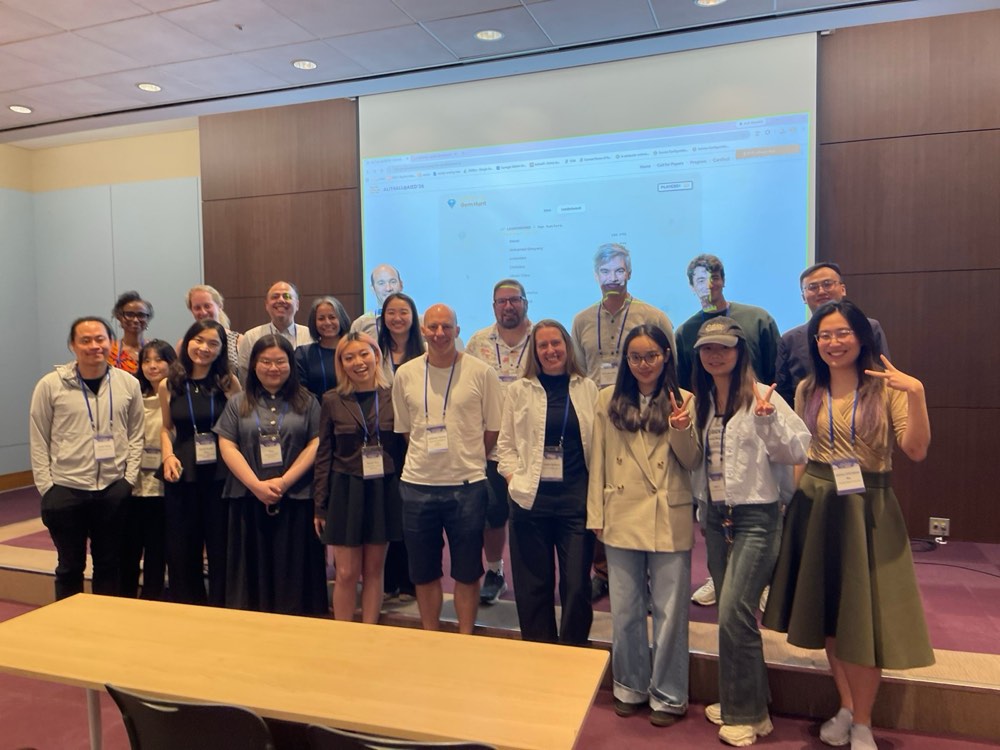
She is also the lead organizer of the ALIT4ALL workshop, the largest AI Literacy workshop bringing together hundreds of researchers and practitioners internationally. Her work has been supported by Gates Foundation and CMU seed grants; her startup, ActiveAI, has been recognized through the NSF I-Corps Regional AI/Robotic Cohort and developed in partnership with Microsoft, Google Data Center, Junyi Academy, and endorsed by multiple city mayors.
Supported by & partnered with






 Junyi Academy




Junyi Academy
Publications
* denotes equal contribution · Green denotes mentee
The human side
AI literacy for every learner
What should K–12 students and teachers know about AI, and how do we teach and measure it at scale?
The AI side
AI that supports learning
How can students and AI tutors interact so that AI strengthens learning instead of replacing it?
Community
Workshops
Bringing researchers and practitioners together to advance AI literacy education for all.
The human side
AI literacy for every learner
What should K–12 students and teachers know about AI, and how do we teach and measure it at scale?
Misalignment Between Educators' Testing and End Users' Behavior: What 17,000+ Chatbot Messages Reveal About AI Literacy Training for Teachers
Proceedings of the AAAI Conference on Artificial Intelligence (AAAI’27)
Brief instruction durably improves students’ generative AI prompting skills but not academic performance
Scientific Reports (Nature Portfolio)
Do Teachers Dream of GenAI Widening Educational (In)equality? Envisioning the Future of K-12 GenAI Education from Global Teachers' Perspectives
Proceedings of the CHI Conference on Human Factors in Computing Systems (CHI’26)
How to Assess AI Literacy: Misalignment Between Self-Reported and Objective-Based Measures
Proceedings of the 16th International Learning Analytics and Knowledge Conference (LAK’26)
Learning to Use AI for Learning: Teaching Responsible Use of AI Chatbot to K-12 Students Through an AI Literacy Module
Proceedings of the AAAI Conference on Artificial Intelligence (AAAI’26)
“From Unseen Needs to Classroom Solutions”: Exploring AI Literacy Challenges & Opportunities with Project-Based Learning Toolkit in K-12 Education
Proceedings of the AAAI Conference on Artificial Intelligence (AAAI’25)
Assessing the Efficacy of Goal-Based Scenarios in Scaling AI Literacy for Non-Technical Learners
Proceedings of the 55th ACM Technical Symposium on Computer Science Education (SIGCSE’24)
The AI side
AI that supports learning
How can students and AI tutors interact so that AI strengthens learning instead of replacing it?
AILitHub: Building AI Literacy Infrastructure to Situate Frameworks into Practice
KDD 2026 Workshop (AIED Day)
Enabling Multi-Agent Systems as Learning Designers: Applying Learning Sciences to AI Instructional Design
International Conference on Artificial Intelligence in Education (AIED’26)
PromptDecipher: Supporting AI Tutor Authoring Through Editable Simulated Interactions
ACM Conference on Learning at Scale (L@S’26), Demo
Exploring Student Choice and the Use of Multimodal Generative AI in Programming Learning
Proceedings of the 57th ACM Technical Symposium on Computer Science Education (SIGCSE’26)
LLMs to Support K–12 Teachers in Culturally Relevant Pedagogy: An AI Literacy Example
International Conference on Artificial Intelligence in Education (AIED’25)
ActiveAI: Enabling K-12 AI Literacy Education & Analytics at Scale
Companion Proceedings of the 15th International Learning Analytics and Knowledge Conference (LAK’25)
Generating AI Literacy MCQs: A Multi-Agent LLM Approach
Proceedings of the 56th ACM Technical Symposium on Computer Science Education (SIGCSE’25)
Supporting Self-Reflection at Scale with Large Language Models: Insights from Randomized Field Experiments in Classrooms
Proceedings of the 11th ACM Conference on Learning at Scale (L@S’24)
A Preliminary Analysis of Students’ Help Requests with an LLM-Powered Chatbot When Completing CS1 Assignments
8th Educational Data Mining in Computer Science Education Workshop (CSEDM’24)
Enhancing LLM-Based Feedback: Insights from Intelligent Tutoring Systems and the Learning Sciences
International Conference on Artificial Intelligence in Education (AIED’24)
Exploring How Multiple Levels of GPT-Generated Programming Hints Support or Disappoint Novices
Extended Abstracts of the CHI Conference on Human Factors in Computing Systems (CHI EA’24)
Community
Workshops
Bringing researchers and practitioners together to advance AI literacy education for all.
AI Literacy For All: 2nd International Workshop on AI Literacy Education For All
International Conference on Artificial Intelligence in Education (AIED’26), Workshop
AI Literacy For All: 1st International Workshop on AI Literacy Education For All
International Conference on Artificial Intelligence in Education (AIED’25), Workshop
Learning Design
PracticeThe AILit Framework in Simplified Chinese
A Simplified Chinese edition of the OECD and European Commission AI Literacy Framework for primary and secondary education, for Chinese-speaking educators around the world.
- Target users
- Educators and policymakers who read Simplified Chinese
- Duration
- Read at your own pace
- Format
- Free PDF, CC BY 4.0
Highlights
- Translated by Ruiwei with Junyi Academy × ActiveAI
- Covers all 19 competences across the four domains
- Free to share and adapt under CC BY 4.0
AI literacy for K–12 classrooms
19 interactive modules across the four competencies, mapped to the OECD/EC AI Literacy Framework.
- Target users
- K–12 students and teachers
- Duration
- ~15 min per module
- Format
- Online, interactive modules used in class
Impact
- Featured in the global Hour of AI activity catalog
- 3,000+ students across 150+ schools in Tainan
- Taught in classrooms with Junyi Academy, Google, and Microsoft
Teaching college students to prompt AI as a tutor
One lesson in four versions, from a two-sentence reminder to a hands-on writing exercise, so instructors can pick what fits their course.
- Target users
- College students
- Duration
- Under 1 to ~37 min, by version
- Format
- Online lesson
Impact
- Validated with 431 college students
- Up to +51 pts with the select-then-write version
- The lightest version takes under a minute
Helping educators bring AI into their teaching
Self-paced training on CMU's Open Learning Initiative: recognize AI's capabilities and limits, apply prompt engineering, evaluate AI outputs, then build a chatbot.
- Target users
- Higher-education educators
- Duration
- Self-paced
- Format
- Online course on CMU OLI
Impact
- 87 educators trained
- 214 chatbots built for their own practice
- Free and self-paced on CMU OLI
Measuring AI literacy through play
Students show what they know about AI by playing through a theme-park adventure instead of filling out a survey.
- Target users
- K–12 students
- Duration
- One play session
- Format
- Browser game, in Chinese or English
Highlights:
- Playable in the browser, no install
- Available in Chinese and English
- Part of the ActiveAI K–12 program


- 01Engage with AI7 modules
- 02Create with AI4 modules
- 03Manage AI4 modules
- 04Shape AI4 modules
- →Try ActiveAI
- 01Brief reminder< 1 min
- 02Worked examples~3 min
- 03Component selection~11 min
- 04Select-then-write~37 min
- →Try all four versions
- 01AI capabilities and limitsCourse unit
- 02Prompt engineeringCourse unit
- 03Evaluating AI outputsCourse unit
- 04Build your own chatbotCourse unit
- →View the course
- 01AI World ParkTheme-park adventure game
- 02Show what you know about AIAssessment
- 03Play in Chinese or EnglishBilingual
- →Play AI World Park
ActiveAI
K–12
19 interactive modules across the four competencies, mapped to the OECD/EC AI Literacy Framework.
Try Hour of AI →Engage with AI
Does AI need water? Comparing its energy and resource use
Can AI amplify bias?
Is this an ethical use of AI?
Create with AI
Make AI your coach
Does this count as plagiarism?
Manage AI
Which AI fits the task? Choosing the right approach
Are we using AI well? Check as you go
Shape AI
Is this AI ready to launch? Be an AI quality reviewer
Make AI better
Assessment
Pedagogical Prompting
Higher education
One lesson teaching college students to prompt AI as a tutor, not a solution giver. Validated with 431 students.
Try all four versions →Lightest to most engaging
CMU Open Learning Initiative
Educators
Self-paced training that helps higher-education educators bring AI into their teaching.
View the course →Online course
OECD AILit · 简体中文
Framework
A Simplified Chinese edition of the OECD and European Commission AI Literacy Framework, translated by Ruiwei with Junyi Academy × ActiveAI.
Read the PDF →Coming soon
In the news
Press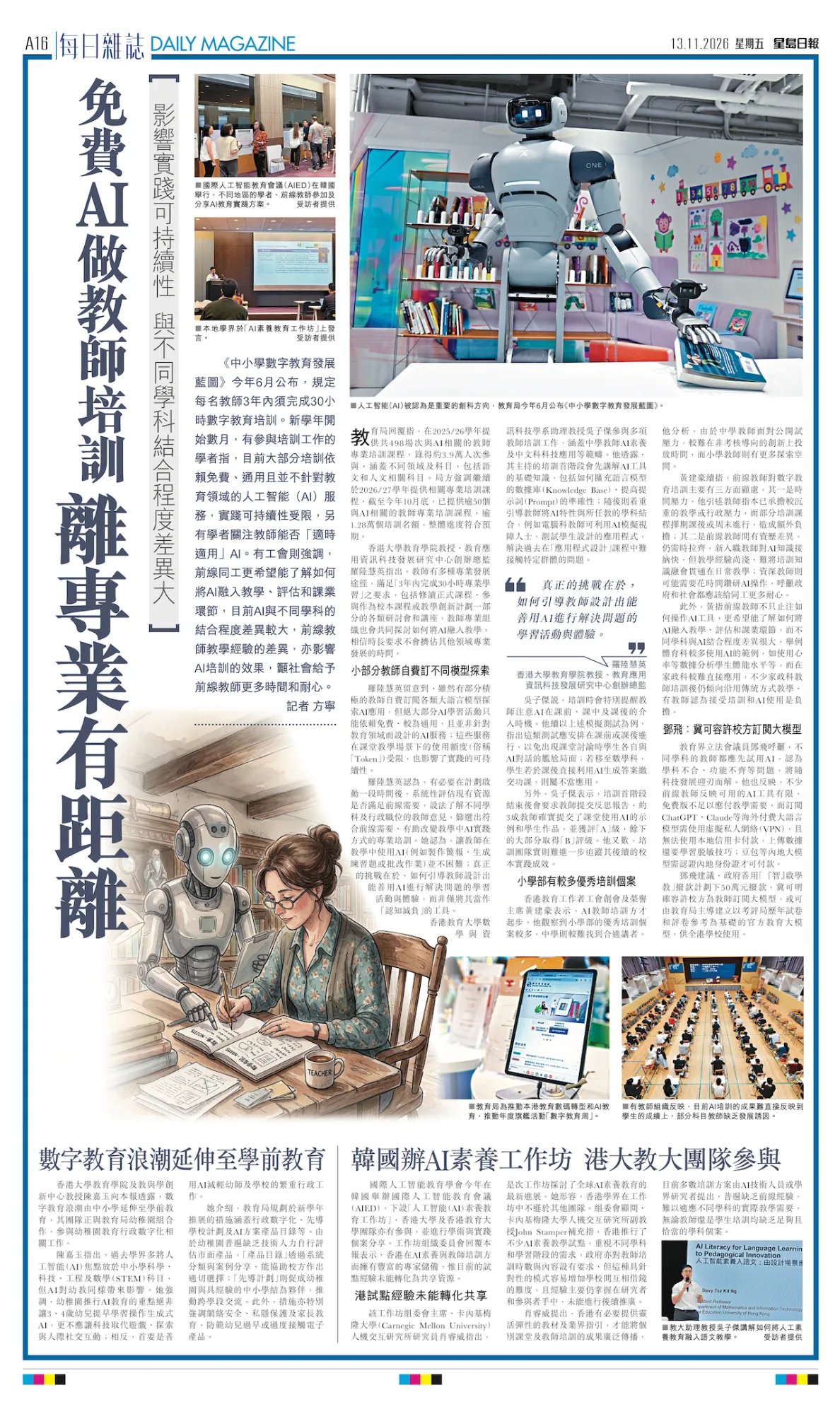 Free AI Tools for Teacher Training Still Fall Short of Professional Needs
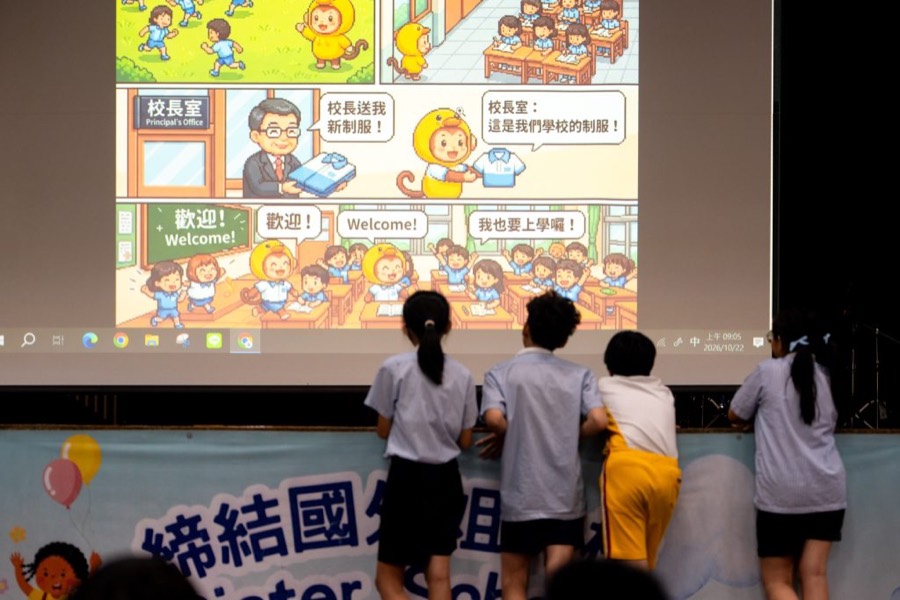 Junyi Academy, Minsheng Elementary School, and Google Team Up to Advance AI Literacy in Changhua
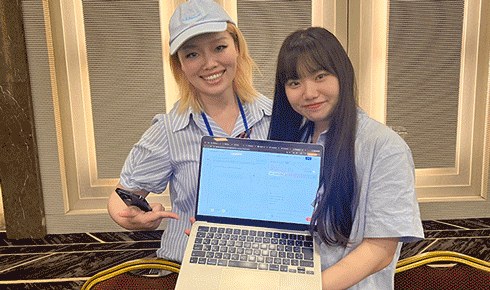 CMU at Festival of Learning 2026
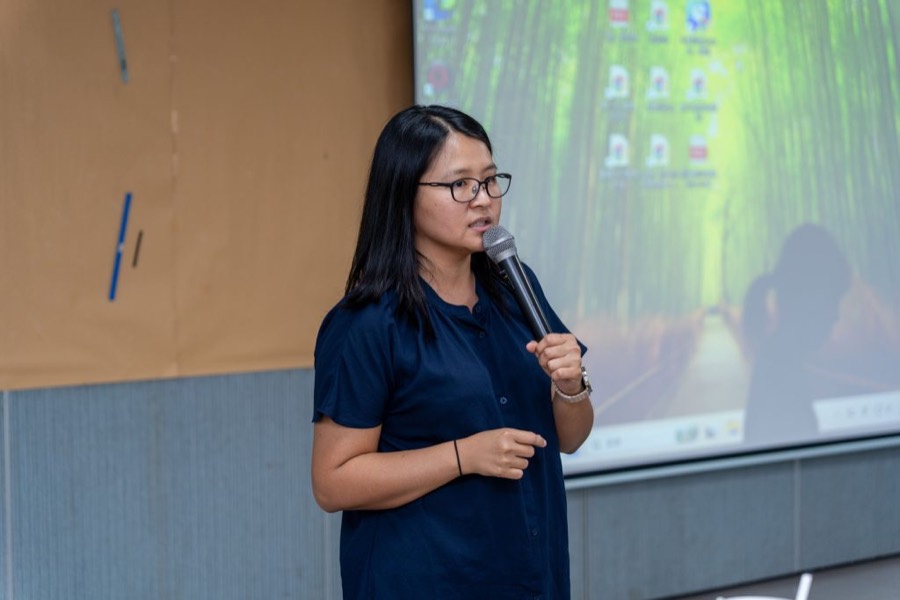 When AI Enters the Classroom: Junyi Academy × ActiveAI Help Students Master AI
 CMU at CHI 2026
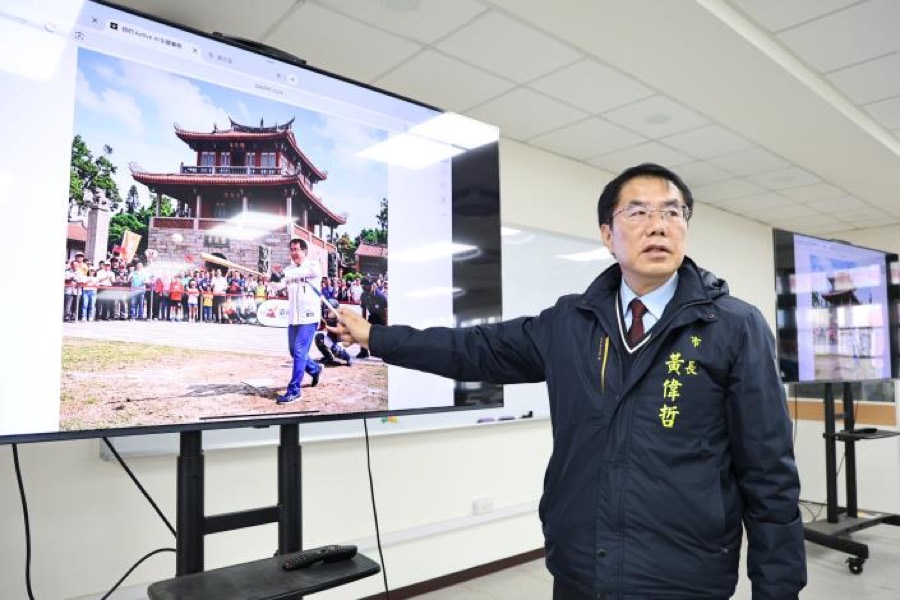 Tainan Partners with Junyi Academy × ActiveAI to Bring AI Literacy to Elementary Schools Citywide
 Microsoft Taiwan × Junyi Academy × ActiveAI: Hour of AI at Microsoft's Taiwan R&D center
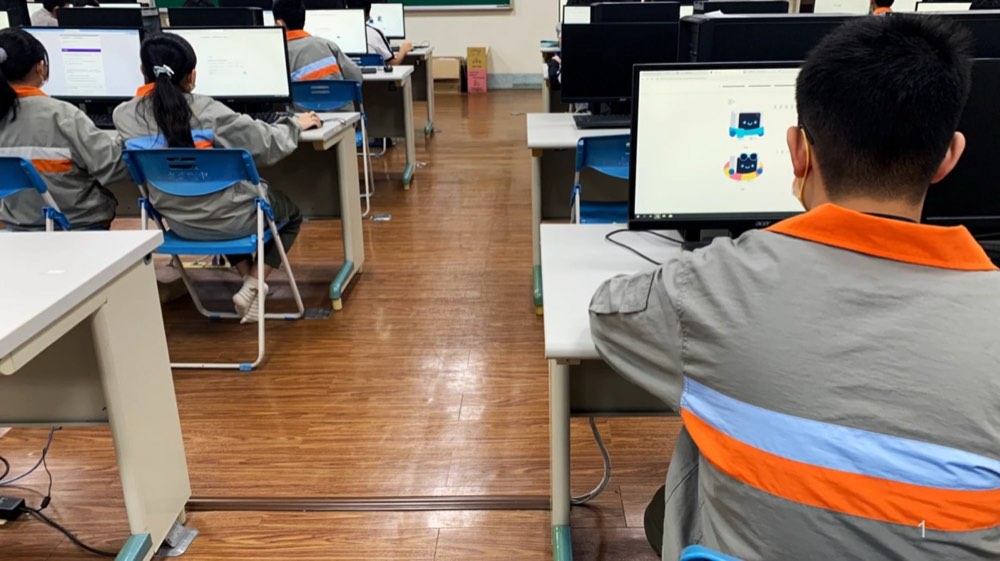 ActiveAI: Interactive K12 AI Literacy Modules, featured on Hour of AI
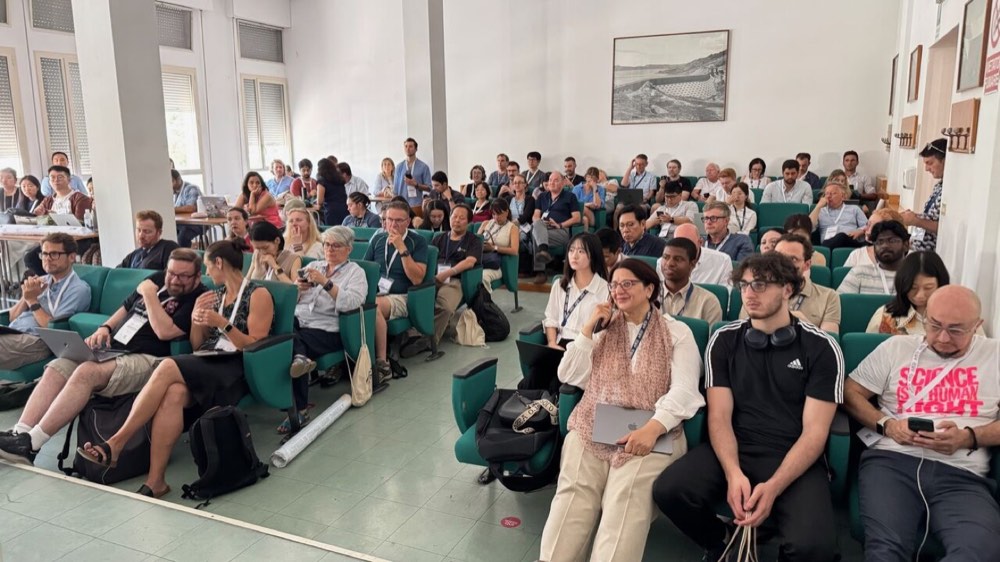 What's Next for AI and Education
 CMU at CHI 2024